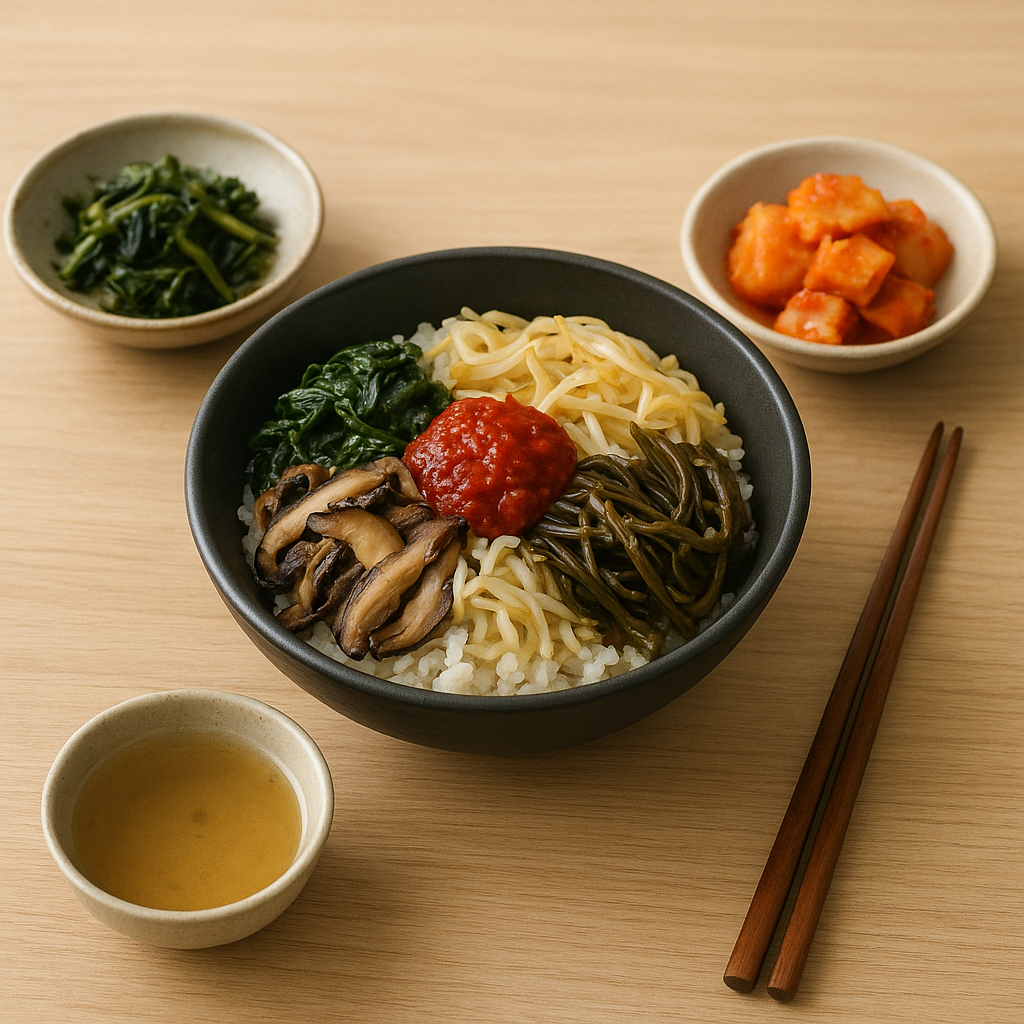
Discovering Korean Temple Food: A Unique Culinary Experience
Korean temple food is often shrouded in misconceptions. Many people assume it’s just bland vegetarian dishes. In reality, it offers a vibrant palette of flavors deeply rooted in Buddhist philosophy. This article explores the best places in Seoul to enjoy authentic Korean temple food, highlighting what makes these dishes special.
Korean temple cuisine focuses on natural ingredients, often utilizing seasonal vegetables and herbs. The cooking methods aim to preserve the integrity of these elements, making every bite a testament to simplicity and health. Let’s dive into some of the top spots in Seoul where you can savor this unique culinary tradition.
Top Restaurants for Temple Food in Seoul
Sanchon (산촌)
Located near the heart of Insadong, Sanchon is perhaps one of the most famous spots for temple cuisine. Founded by a former monk, it specializes in vegan-friendly dishes inspired by ancient Buddhist practices. The restaurant emphasizes simplicity and freshness, featuring seasonal vegetables and mushrooms.
Visitors often recommend trying the elaborate set menus, which typically include various banchan (side dishes) and a main dish, showcasing the essence of temple cooking. However, be aware that garlic, chives, and onions are strictly avoided, with many flavors coming from the five essential spices that can be adjusted upon request.
Balwoo Gongyang (발우공양)
Another prominent destination is Balwoo Gongyang, located near the Jogyesa Temple. This restaurant has earned acclaim for its exquisite presentation and commitment to the principles of temple food. Each dish is crafted with care, reflecting Korea’s Buddhist traditions.
A must-try here is the Temple Food Tasting Menu, which features multiple courses. Many guests appreciate the serene ambiance, making it a peaceful spot to enjoy a meal. Reservations are highly recommended due to popularity.
Understanding Temple Cuisine
Korean temple food is designed not just for sustenance but for spiritual well-being. It excludes certain ingredients like garlic and onions, which can be seen as overly stimulating. Instead, the focus is on vegetables, grains, and fermented foods like pickled vegetables.
This type of cuisine is favored by those seeking a dietary cleanse or simply wishing to embrace healthier eating habits. It’s important to note that many dishes are low in calories, making them good options for health-conscious diners.
The Philosophy Behind the Dishes
The philosophy promotes mindful eating, where each ingredient is respected and used to its fullest potential. The meals are not only nutritious but also aimed at fostering a sense of balance and harmony. Many temple foods are seasonal, emphasizing the importance of connecting with nature and the cycles of life.
Dining at these establishments can feel like a spiritual experience, as each meal encourages individuals to reflect on their relationship with food and the environment.
Where to Find These Experiences
Insadong and Anguk areas in Seoul are ideal for exploring temple food restaurants. These neighborhoods are rich in culture and history, providing an enchanting backdrop for your culinary adventure. Most of the recommended places require reservations, especially during peak dining hours.
Many visitors suggest combining a meal with a visit to nearby temples or cultural sites. This way, you get to enjoy both the spiritual and gastronomic aspects of Korean culture.
What to Order
When visiting these restaurants, look for popular dishes like bibimbap made with seasonal vegetables or various temple-inspired stews. Sanchon, for example, is known for its Mushroom Tofu Stew, which many guests find comforting and flavorful.
Don’t forget to sample their unique takes on teas, often herbal blends that complement the meal without overpowering it.
Potential Downsides and Considerations
While temple food is often seen as healthy, some diners may find it less flavorful than traditional Korean cuisine, primarily due to the absence of typical strong flavors. Additionally, the limited use of five spices may not suit everyone’s palate.
It’s crucial to be mindful of the fact that some restaurants may add those spices to cater to broader tastes. Always inquire about ingredient specifics if you’re particular about avoiding them.
Common Dining Mistakes
A common mistake is not making a reservation, especially at popular spots like Sanchon and Balwoo Gongyang. These establishments often operate with specific seating arrangements and can fill up quickly, so plan ahead.
Another misstep is underestimating the meal size. Temple food portions can be smaller than standard Korean meals, leading some to feel unsatisfied if they are accustomed to larger servings.
Making the Most of Your Temple Dining Experience
To enhance your visit, here are three practical tips:
1. **Reservation is Key**: Always book in advance to ensure you get a spot at these popular restaurants.
2. **Embrace the Simplicity**: Be open to the flavors and presentation. It’s about experiencing a different approach to food.
3. **Engage with the Staff**: Don’t hesitate to ask about the ingredients and dishes. The staff is often well-versed in the philosophy behind the food.
In summary, enjoying Korean temple food offers a rare blend of culture, health, and spirituality. By choosing the right restaurant and being mindful of the dining experience, you can fully appreciate this unique culinary journey.



답글 남기기