[작성자:] g1story008

  • Seoul Subway Fare Prices and Tips for Travelers

    Seoul Subway Fare Prices and Tips for Travelers

    Understanding Subway Fares in Seoul

    Seoul’s subway system is extensive, modern, and a popular choice for both locals and visitors. Knowing the fare structure can help travelers navigate the city more effectively. In this article, we’ll discuss current subway fares, how to purchase tickets, and offer tips for using the subway efficiently.

    Current Subway Fare Structure

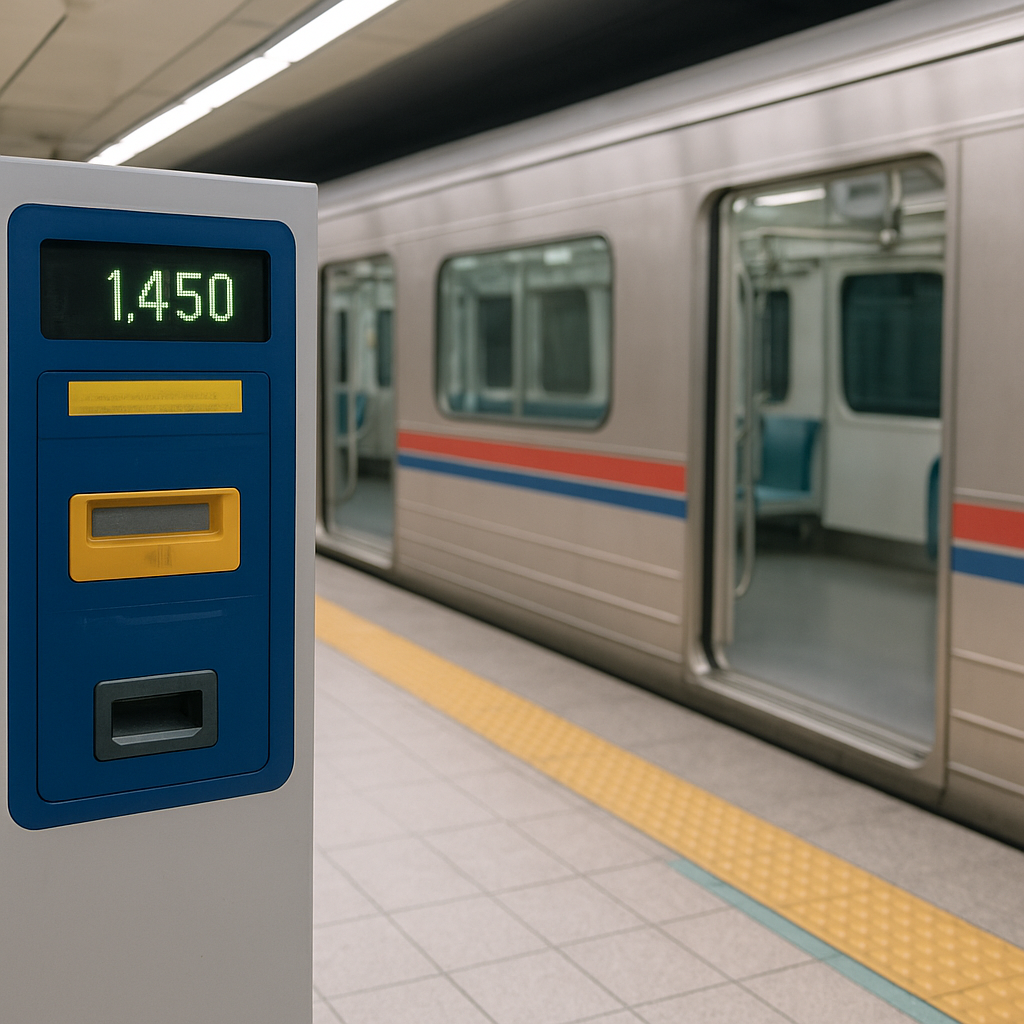
    The basic fare for adults using a transportation card, such as the T-money card, is ₩1,550 (approximately $1.20). If purchasing a single-journey ticket, the cost is slightly higher at ₩1,650 (about $1.30). Fares are distance-based, which means the final price may increase depending on how far you’re traveling on the subway.

    Children and Discounts

    Children aged 6 to 12 benefit from a discounted fare of ₩720 (around $0.55) when using a card. However, children under the age of 6 can ride for free, provided they are accompanied by an adult. It’s a good way to save a little when traveling with family.

    Purchasing Tickets and Fare Cards

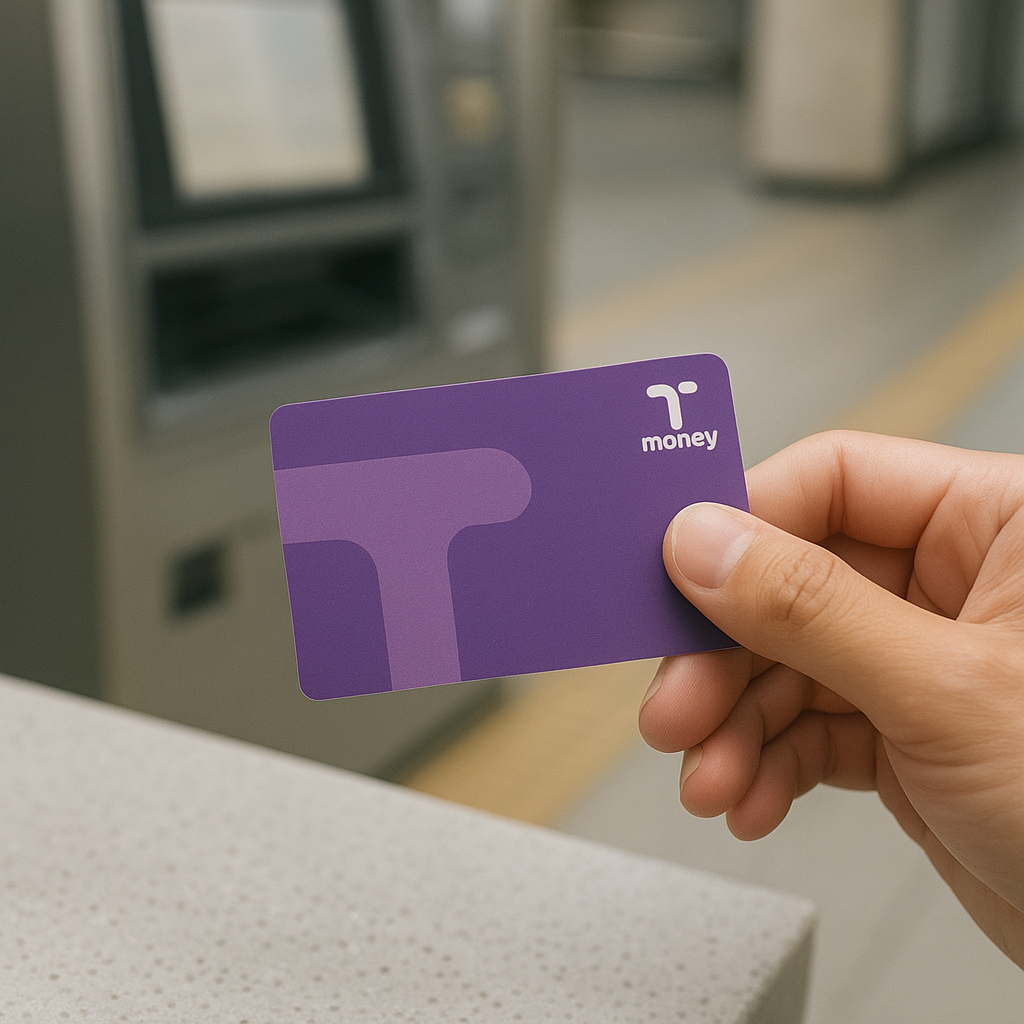
    There are two main ways to get started with the subway in Seoul: purchasing a single ticket or using a transportation card like the T-money card. The latter is generally recommended for tourists as it simplifies the payment process across various modes of public transportation, including buses. T-money cards can be bought at convenience stores or subway stations.

    T-Money Card Benefits

    Using a T-money card not only streamlines subway travel but also allows for fare discounts when transferring between buses and subways within 30 minutes. This flexibility can help you save money if you plan on making multiple trips. Reloading the card is straightforward—simply visit a convenience store to add more funds.

    Navigating the Subway System

    Seoul’s subway system is well-marked in both Korean and English, making it easier for international visitors to find their way. Signs indicate route numbers and final destinations, but it’s essential to check the platform signs for the next important stop. Additionally, subway apps are available to help plan your route ahead of time.

    Common Mistakes to Avoid

    One common error among tourists is only focusing on the line numbers. It’s crucial to pay attention to the final destination listed on the platform signage to avoid getting off at the wrong station. Peak hours can also make the subway crowded; if you’re traveling with large luggage, it’s advisable to plan your trips during off-peak hours to ensure a smoother experience.

    Tips for First-Time Subway Users

    Getting familiar with local customs can enhance your subway experience. For instance, it’s considered polite to give up your seat for the elderly or those with small children. Additionally, keep noise levels low, as many locals prefer a quiet commute. Always be mindful of your belongings and prepare for busy trains, especially during rush hour.

    Things to Watch Out For

    While the subway system is generally safe and user-friendly, it’s important to stay alert during peak times. Be careful with your personal items, as crowded conditions can lead to pickpocketing. If you’re traveling with children or elderly passengers, it’s a good idea to stick together and have a designated meeting point in case anyone gets separated.

    Making the Most of Your Subway Experience

    To enjoy the subway in Seoul, here are a few practical tips:

    • Consider purchasing a T-money card for convenience and potential discounts.
    • Plan your route in advance using a subway application.
    • Be mindful of peak travel times to make your journey more comfortable.

    With the right information, navigating the Seoul subway can be straightforward and enjoyable. Embrace the experience and explore all that this vibrant city has to offer.
    #SeoulSubwayFare #TravelTips #PublicTransport #SeoulTravel #SubwayGuide #TravelKorea #VisitSeoul #ExploreSeoul #KoreaTravelTips #SeoulAdventure

  • Convenient Incheon Airport Limousine Bus Services to Myeongdong

    Convenient Incheon Airport Limousine Bus Services to Myeongdong

    Why Choose the Incheon Airport Limousine Bus to Myeongdong?

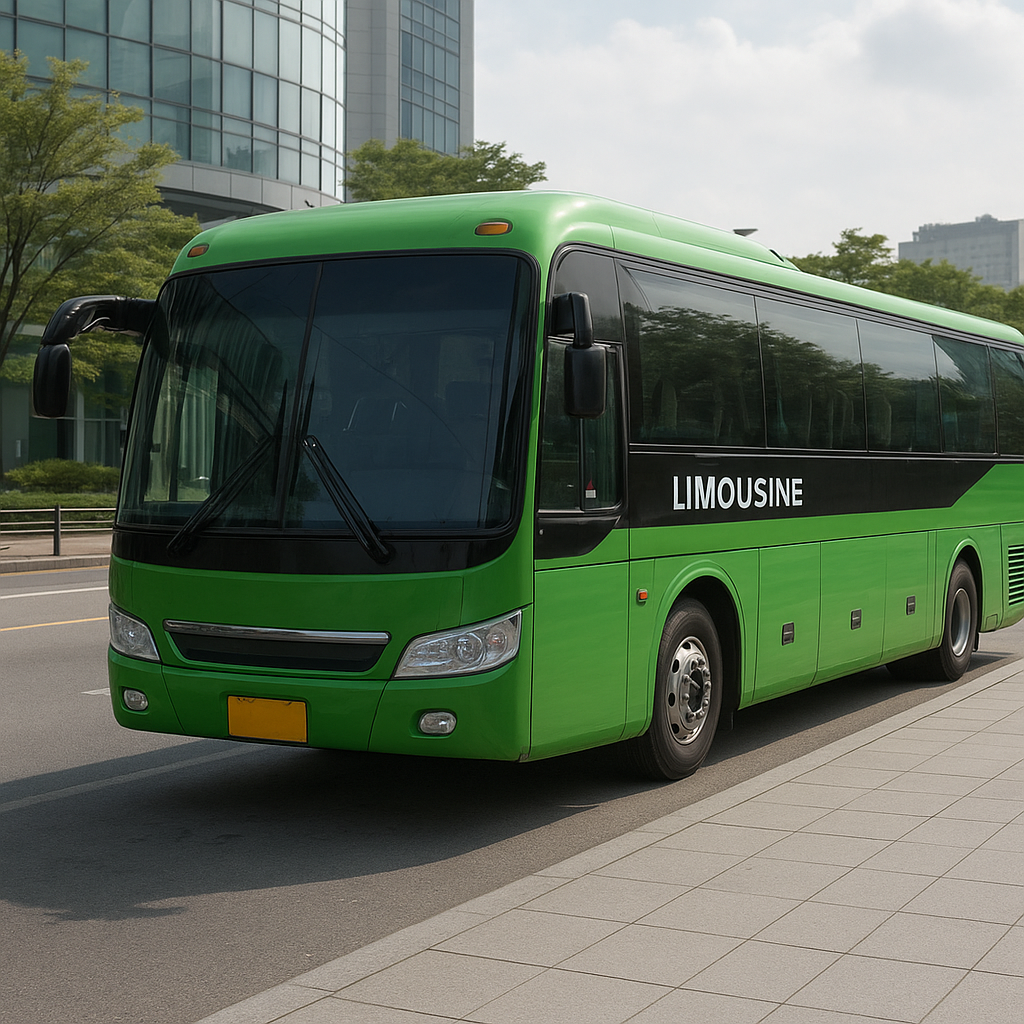
    Traveling from Incheon International Airport to Myeongdong, a popular district in Seoul, is often a priority for many visitors. One convenient option is the Incheon Airport Limousine Bus. This service stands out for its ease and comfort, especially for those carrying luggage. The buses are designed to accommodate travelers with larger bags, making it much simpler than navigating through crowded trains or taxis.

    Many tourists prefer using the limousine bus because of its set routes to major hotels and locations in Myeongdong. With a straightforward drop-off system, there’s no need to worry about navigating confusing public transportation. The comfort of riding in a spacious seat while enjoying the scenery is a bonus. The bus ride typically takes around 60 to 80 minutes, depending on traffic, allowing travelers to relax after their flight.

    Understanding Costs and Schedules

    The cost of the limousine bus service generally ranges between ₩16,000 to ₩18,000 (approximately $12 to $14), which is reasonable compared to other forms of transportation. Be aware that actual prices can vary depending on the specific route and destination. Buses operate frequently throughout the day, with services running approximately every 30 minutes. The schedule is convenient for travelers arriving at different times, which is helpful for those with varying flight schedules.

    Make sure to check the bus schedule ahead of time, particularly if you’re arriving late at night or very early in the morning. Exact details can usually be found on the airport’s website or at the limousine bus ticket counters located within the terminal.

    Comparing Limousine Buses to Other Transportation Options

    When considering transportation from the airport, travelers often compare the limousine bus to taxis and the Airport Railroad Express (AREX). Here’s a breakdown of the pros and cons of each option:

    Limousine Bus vs. Taxi

    Taking a taxi provides a door-to-door service, which can be very convenient, especially if your accommodation is not near a bus stop. However, taxis can have varying costs based on traffic and distance, and they might not be the best choice during rush hours due to potential congestion. Additionally, taxi drivers may not always speak English, which can lead to communication issues regarding the destination.

    In contrast, the limousine bus has a fixed price and route, making budgeting easier. It’s particularly effective for travelers with more luggage since the buses have designated storage space. This advantage makes it a preferred choice for many, especially families or those traveling with multiple bags.

    Limousine Bus vs. AREX

    The AREX is a rapid train service connecting Incheon Airport and Seoul Station. While it is faster—approximately 43 minutes to Seoul Station—this option requires a transfer to reach Myeongdong. This can be cumbersome if you have heavy luggage or are unfamiliar with the metro system.

    The limousine bus provides a direct route to Myeongdong, avoiding potential complications associated with switching trains. It also eliminates the hassle of managing your luggage while transferring to a subway line. The experience is generally more relaxed, making the bus a popular choice among visitors.

    Tips for First-Time Users

    If you decide to take the limousine bus, here are some useful tips to enhance your experience:

    1. **Purchase Tickets in Advance**: It’s recommended to buy your ticket at the airport’s bus ticket counter or through their official website. This can help you avoid long lines, especially during peak travel seasons.

    2. **Know Your Drop-off Location**: Familiarize yourself with the exact bus stop in Myeongdong where you’ll be dropped off. This will make your arrival smoother, especially if you’re navigating a busy area.

    3. **Check for Service Updates**: Stay informed about any possible changes in bus schedules due to weather or traffic conditions. This can be especially crucial during rainy or snowy seasons when delays might occur.

    Potential Downsides to Consider

    While the Incheon Airport Limousine Bus is generally a great choice, there are some factors to keep in mind. For instance, during peak traffic times, the journey may take significantly longer than expected. This is particularly true if you are traveling during rush hour, which can affect travel time considerably.

    Additionally, be prepared for possible delays due to weather conditions. Heavy rain or snow can disrupt bus schedules, so it’s wise to plan your trip accordingly. If you’re in a hurry or need to catch a specific appointment, it’s advisable to leave with ample time to spare.

    In Summary: Making the Right Choice

    Choosing the Incheon Airport Limousine Bus to Myeongdong can offer a smooth and comfortable travel experience for many tourists. To make the most of your ride, consider these key points:

    – **Budget Wisely**: Understand the pricing structure and decide based on your budget and convenience.
    – **Plan Ahead**: Check schedules and buy tickets ahead of time to avoid unexpected delays.
    – **Luggage Considerations**: If you’re traveling with heavy bags, the limousine bus provides an advantage over other forms of transport.

    With the right preparation, the limousine bus can be a hassle-free way to start your Korean adventure.

    #IncheonAirportLimousineBus #MyeongdongTravel #SeoulTravel #KBeauty #SeoulFoodGuide #KoreaTravelTips #OliveYoungHaul #SeoulCafes

  • Best Places in Seoul for Korean Temple Food

    Best Places in Seoul for Korean Temple Food

    Discovering Korean Temple Food: A Unique Culinary Experience

    Korean temple food is often shrouded in misconceptions. Many people assume it’s just bland vegetarian dishes. In reality, it offers a vibrant palette of flavors deeply rooted in Buddhist philosophy. This article explores the best places in Seoul to enjoy authentic Korean temple food, highlighting what makes these dishes special.

    Korean temple cuisine focuses on natural ingredients, often utilizing seasonal vegetables and herbs. The cooking methods aim to preserve the integrity of these elements, making every bite a testament to simplicity and health. Let’s dive into some of the top spots in Seoul where you can savor this unique culinary tradition.

    Top Restaurants for Temple Food in Seoul

    Sanchon (산촌)

    Located near the heart of Insadong, Sanchon is perhaps one of the most famous spots for temple cuisine. Founded by a former monk, it specializes in vegan-friendly dishes inspired by ancient Buddhist practices. The restaurant emphasizes simplicity and freshness, featuring seasonal vegetables and mushrooms.

    Visitors often recommend trying the elaborate set menus, which typically include various banchan (side dishes) and a main dish, showcasing the essence of temple cooking. However, be aware that garlic, chives, and onions are strictly avoided, with many flavors coming from the five essential spices that can be adjusted upon request.

    Balwoo Gongyang (발우공양)

    Another prominent destination is Balwoo Gongyang, located near the Jogyesa Temple. This restaurant has earned acclaim for its exquisite presentation and commitment to the principles of temple food. Each dish is crafted with care, reflecting Korea’s Buddhist traditions.

    A must-try here is the Temple Food Tasting Menu, which features multiple courses. Many guests appreciate the serene ambiance, making it a peaceful spot to enjoy a meal. Reservations are highly recommended due to popularity.

    Understanding Temple Cuisine

    Korean temple food is designed not just for sustenance but for spiritual well-being. It excludes certain ingredients like garlic and onions, which can be seen as overly stimulating. Instead, the focus is on vegetables, grains, and fermented foods like pickled vegetables.

    This type of cuisine is favored by those seeking a dietary cleanse or simply wishing to embrace healthier eating habits. It’s important to note that many dishes are low in calories, making them good options for health-conscious diners.

    The Philosophy Behind the Dishes

    The philosophy promotes mindful eating, where each ingredient is respected and used to its fullest potential. The meals are not only nutritious but also aimed at fostering a sense of balance and harmony. Many temple foods are seasonal, emphasizing the importance of connecting with nature and the cycles of life.

    Dining at these establishments can feel like a spiritual experience, as each meal encourages individuals to reflect on their relationship with food and the environment.

    Where to Find These Experiences

    Insadong and Anguk areas in Seoul are ideal for exploring temple food restaurants. These neighborhoods are rich in culture and history, providing an enchanting backdrop for your culinary adventure. Most of the recommended places require reservations, especially during peak dining hours.

    Many visitors suggest combining a meal with a visit to nearby temples or cultural sites. This way, you get to enjoy both the spiritual and gastronomic aspects of Korean culture.

    What to Order

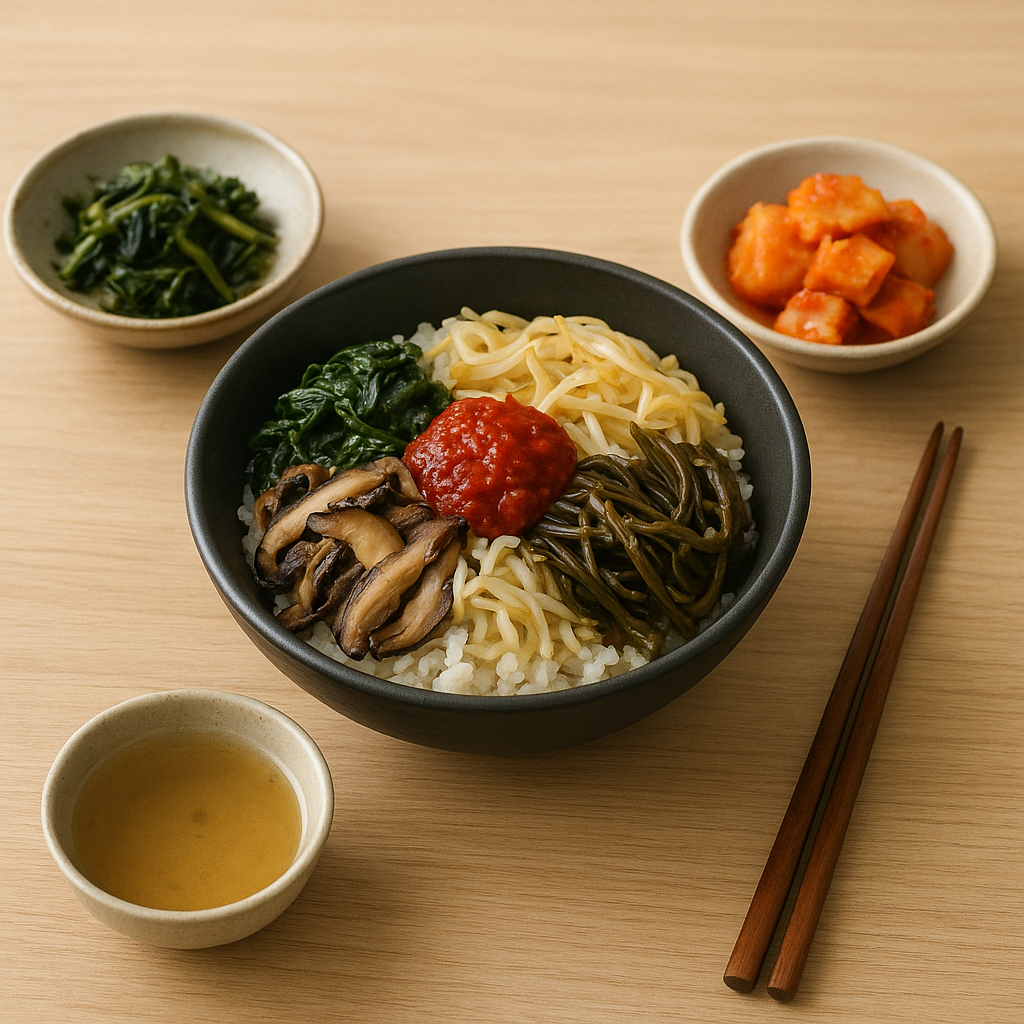
    When visiting these restaurants, look for popular dishes like bibimbap made with seasonal vegetables or various temple-inspired stews. Sanchon, for example, is known for its Mushroom Tofu Stew, which many guests find comforting and flavorful.

    Don’t forget to sample their unique takes on teas, often herbal blends that complement the meal without overpowering it.

    Potential Downsides and Considerations

    While temple food is often seen as healthy, some diners may find it less flavorful than traditional Korean cuisine, primarily due to the absence of typical strong flavors. Additionally, the limited use of five spices may not suit everyone’s palate.

    It’s crucial to be mindful of the fact that some restaurants may add those spices to cater to broader tastes. Always inquire about ingredient specifics if you’re particular about avoiding them.

    Common Dining Mistakes

    A common mistake is not making a reservation, especially at popular spots like Sanchon and Balwoo Gongyang. These establishments often operate with specific seating arrangements and can fill up quickly, so plan ahead.

    Another misstep is underestimating the meal size. Temple food portions can be smaller than standard Korean meals, leading some to feel unsatisfied if they are accustomed to larger servings.

    Making the Most of Your Temple Dining Experience

    To enhance your visit, here are three practical tips:

    1. **Reservation is Key**: Always book in advance to ensure you get a spot at these popular restaurants.

    2. **Embrace the Simplicity**: Be open to the flavors and presentation. It’s about experiencing a different approach to food.

    3. **Engage with the Staff**: Don’t hesitate to ask about the ingredients and dishes. The staff is often well-versed in the philosophy behind the food.

    In summary, enjoying Korean temple food offers a rare blend of culture, health, and spirituality. By choosing the right restaurant and being mindful of the dining experience, you can fully appreciate this unique culinary journey.

    #KoreaTravel #SeoulTravel #KBeauty #KoreanFood #SeoulFoodGuide #KoreaTravelTips #OliveYoungHaul #SeoulCafes #TempleFoodSeoul #BestSeoulEats #KoreanCuisine #SeoulTempleCuisine

  • The Complete Guide to Purchasing a T money Card

    The Complete Guide to Purchasing a T money Card

    Understanding the T-money Card

    The T-money card is a rechargeable smart card used primarily for public transportation in South Korea. It’s a convenient way for both locals and tourists to navigate the extensive subway and bus systems without the hassle of cash. Additionally, it can be used in various convenience stores, making it a flexible payment option for quick purchases.

    There are two main types: the standard T-money card and the version specifically designed for foreigners. The foreigner card typically costs between ₩4,000 to ₩6,000 (approximately $3 to $5). In contrast, the regular card’s price ranges from ₩3,000 to ₩5,000 (around $2.50 to $4.25). Both cards can be easily reloaded at numerous locations.

    Where to Purchase Your T-money Card

    T-money cards are readily available at various locations throughout South Korea. You can find them at subway stations, convenience stores like GS25 and CU, and even at the airport. Most vending machines in subway stations also sell T-money cards, providing a quick and easy option for travelers arriving in the country.

    When buying at a convenience store or vending machine, simply ask for a T-money card, and you’ll likely be able to pay for it right away. Ensure you keep the purchase receipt, as some vendors may allow you to return unused cards within a certain time frame.

    Loading Your T-money Card

    Once you have your T-money card, you’ll need to load it with funds to start using it. The maximum reload limit is ₩500,000 (approximately $420), which should be more than enough for most visitors. Loading cash onto your card is straightforward: just visit a convenience store or a subway station’s ticket machine. It’s a good idea to load enough to cover your public transport needs, as well as any small purchases you might make.

    Many first-time users wonder how much to load. Typically, a loading amount of ₩20,000 (roughly $17) should suffice for a few days of travel and casual purchases. However, consider your planned activities and how often you’ll be using transportation.

    Tips for Using the T-money Card

    Using the T-money card comes with some basics to understand for a smooth experience. When boarding a bus, you must tap your card both when getting on and off for the fare to be calculated correctly. This ensures you receive transfer discounts if applicable.

    A common misconception is that multiple riders can use one card on a bus. While it’s true that you can register one card for up to four individuals traveling together, each person should ideally have their own to simplify fare calculations.

    Comparing T-money with the Climate Card

    The Climate Card is another option available in South Korea, primarily for short-term travelers. It serves mainly for subway and bus use, available as a daily pass for ₩5,000 (about $4.25) or a weekly pass priced at ₩20,000 (approximately $17). In contrast, the T-money card is more versatile, allowing users to make purchases in convenience stores in addition to using it for transportation.

    If you plan to explore multiple areas or make frequent small purchases during your stay, the T-money card offers better value compared to the limited-use Climate Card.

    Common Pitfalls and Things to Watch Out For

    Many visitors mistakenly assume that they can use the same T-money card across different modes of public transport without any considerations. It’s important to remember that each mode (bus, subway) may have different fare systems, particularly when it comes to transfers and discounts.

    Another point of confusion may arise regarding refunds. If you decide you no longer need the card, you may be able to return it at certain locations for a small refund, but this does not apply to all vendors. Always check the specific store policies where you purchased the card.

    Final Tips for Enjoying Your T-money Card Experience

    To make the most of your T-money card visit:

    • Load an adequate balance to cover your travel and spending needs during your stay.
    • Familiarize yourself with the rules of tapping on and off, especially on buses.
    • Consider which card type suits your travel style best—T-money for flexibility or the Climate Card for limited transport needs.

    By understanding these elements, you can more effectively enjoy your time exploring South Korea with ease and convenience.

    #KoreaTravel #SeoulTravel #KBeauty #KoreanFood #SeoulFoodGuide #KoreaTravelTips #OliveYoungHaul #SeoulCafes #TMoneyCardGuide #SeoulPublicTransport #ConvenienceInKorea

  • Luxury Beauty Counters in Seouls Department Stores A Guide to Exclusive Brands

    Luxury Beauty Counters in Seouls Department Stores A Guide to Exclusive Brands

    Exploring Luxury Beauty Counters in Seoul’s Department Stores

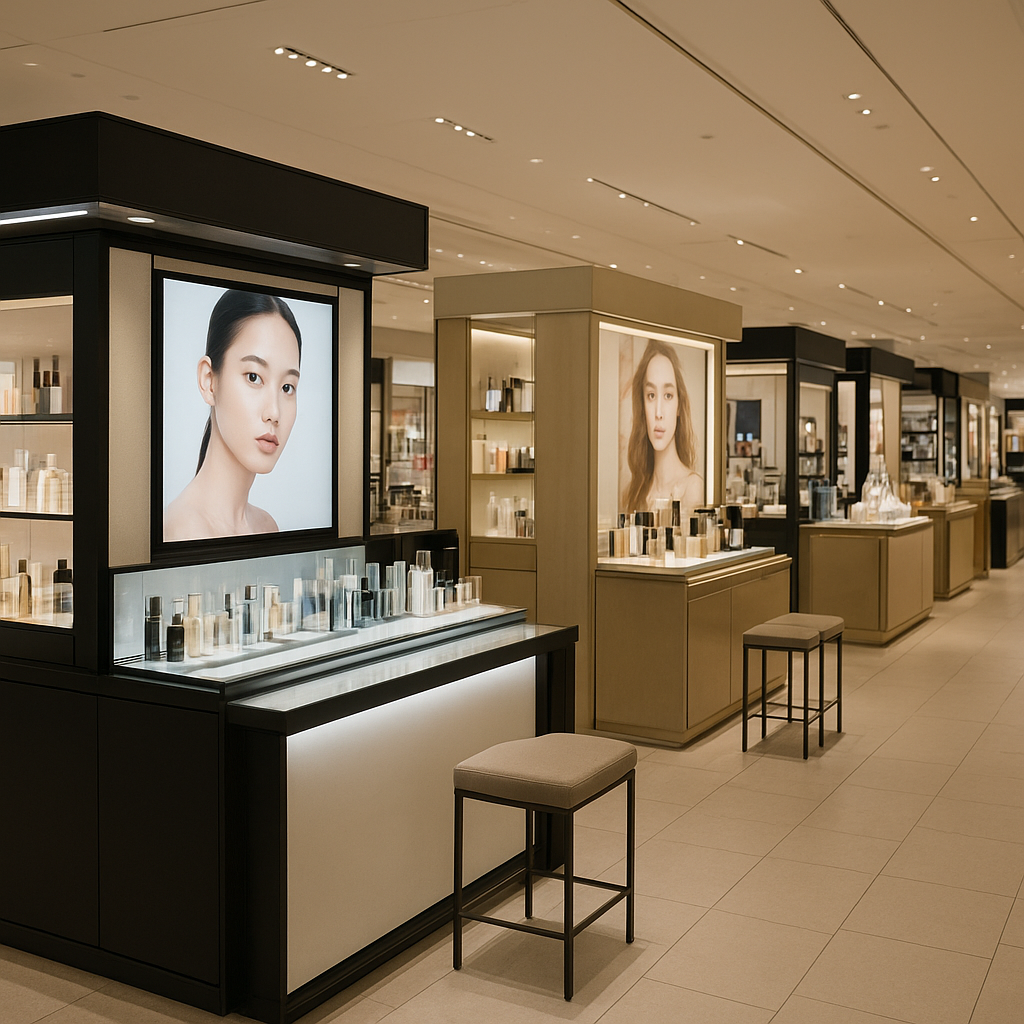
    Seoul is a vibrant hub for beauty enthusiasts, especially when it comes to luxury beauty counters in department stores. Travelers often seek clarification on where to find exclusive brands and what makes these beauty spots unique. This guide dives into the features of these department stores, highlights popular brands to explore, and offers tips for enjoying a seamless shopping experience.

    The Allure of Department Store Beauty Counters

    The luxury beauty counters in Seoul’s department stores provide a curated experience, showcasing premium Korean and international brands. Department stores like Lotte Mall (롯데백화점) and Shinsegae (신세계백화점) stand out for their broad selections and elegant atmospheres.

    Many visitors appreciate the high-quality customer service at these counters. Beauty consultants often provide personalized consultations to help customers find the right products. Additionally, department stores often offer exclusive items not available elsewhere, adding to their allure.

    Which Brands to Look For?

    Lotte Department Store is known for carrying major K-beauty brands such as Sulwhasoo (설화수) and Laneige (라네즈). On the other hand, Shinsegae highlights more upscale luxury brands like Amorepacific (아모레퍼시픽) and The Faceshop (더페이스샵). For unique indie brands, The Hyundai Seoul (더현대 서울) features an artsy K-beauty zone that attracts many trendy shoppers.

    Brands at these counters are often selected for their quality and innovation in skincare and makeup. This makes them a great fit for those looking to explore the cutting-edge of beauty. Whether you want to try the latest cushion foundation or advanced skincare serums, you’ll find plenty of options.

    Understanding Tax Refund Benefits

    One appealing aspect of shopping at department store beauty counters in Korea is the potential for tax refunds. Shoppers can receive tax rebates on purchases exceeding ₩30,000 (approximately $23). This benefit is especially relevant for international travelers looking to save on their beauty hauls.

    To claim this benefit, ensure that you have the necessary documentation and inquire about the process at the counter before checking out. Many stores are familiar with the tax refund process and can guide you accordingly.

    How to Easily Navigate Your Shopping Experience

    **Lotte Department Store:** Known for a variety of K-beauty brands, it offers a bustling atmosphere. Be prepared for crowds, especially on weekends. Many shoppers mention that while the energy is high, it can sometimes feel overwhelming.

    **Shinsegae Department Store:** This store provides a quieter, more luxurious shopping experience. The K-beauty section is designed for customers who appreciate a serene atmosphere. Those seeking a calm environment will find this a good fit.

    **The Hyundai Seoul:** With a focus on design, this shopping destination merges modern aesthetics with innovative beauty offerings. Visitors are often impressed by the store’s layout and ambiance, making it a popular spot for young and trendy shoppers.

    Common Misconceptions to Be Aware Of

    One common misconception is that all beauty counters offer the same level of service or exclusive products. This is not always the case. Each department store has its own specialties and varying levels of customer engagement. It’s worth allocating time to compare experiences at different locations.

    Another point to note is the tax refund eligibility. Ensure that you ask about the minimum purchase amount to qualify, as this can vary among stores. Be aware that policies may change, so checking the latest information is essential for a smooth shopping experience.

    Tips for First-Time Visitors

    – **Plan Your Visit:** Given the popularity of these department stores, it’s advisable to visit during the weekdays if possible. This will help you avoid crowds and receive better customer service.

    – **Bring Your Passport:** To qualify for tax refunds, have your passport on hand when making your purchases. Some counters may ask for it during the transaction.

    – **Research Brands:** Familiarize yourself with which brands are available at different locations. This way, you can maximize your shopping experience based on your beauty interests.

    Final Thoughts on Enjoying Seoul’s Beauty Counters

    Shopping at department store beauty counters in Seoul is a rewarding experience filled with high-quality brands and personalized service. To make the most of your visit, remember these key points:

    1. Explore various stores to appreciate the unique ambiance and offerings.
    2. Take advantage of tax refund opportunities, but be prepared to spend a minimum amount to qualify.
    3. Enjoy the consultation experiences that these beauty counters provide, as they can lead to discovering new favorites.

    With this guide, you’ll be well-prepared to dive into Seoul’s luxurious beauty shopping scene.

    #KoreaTravel #SeoulTravel #KBeauty #KoreanFood #SeoulFoodGuide #KoreaTravelTips #OliveYoungHaul #SeoulCafes #LuxuryBeautyCounters #ExclusiveBrands

  • Efficient Money Exchange Options for Traveling in Korea

    Efficient Money Exchange Options for Traveling in Korea

    Understanding Currency Exchange in Korea

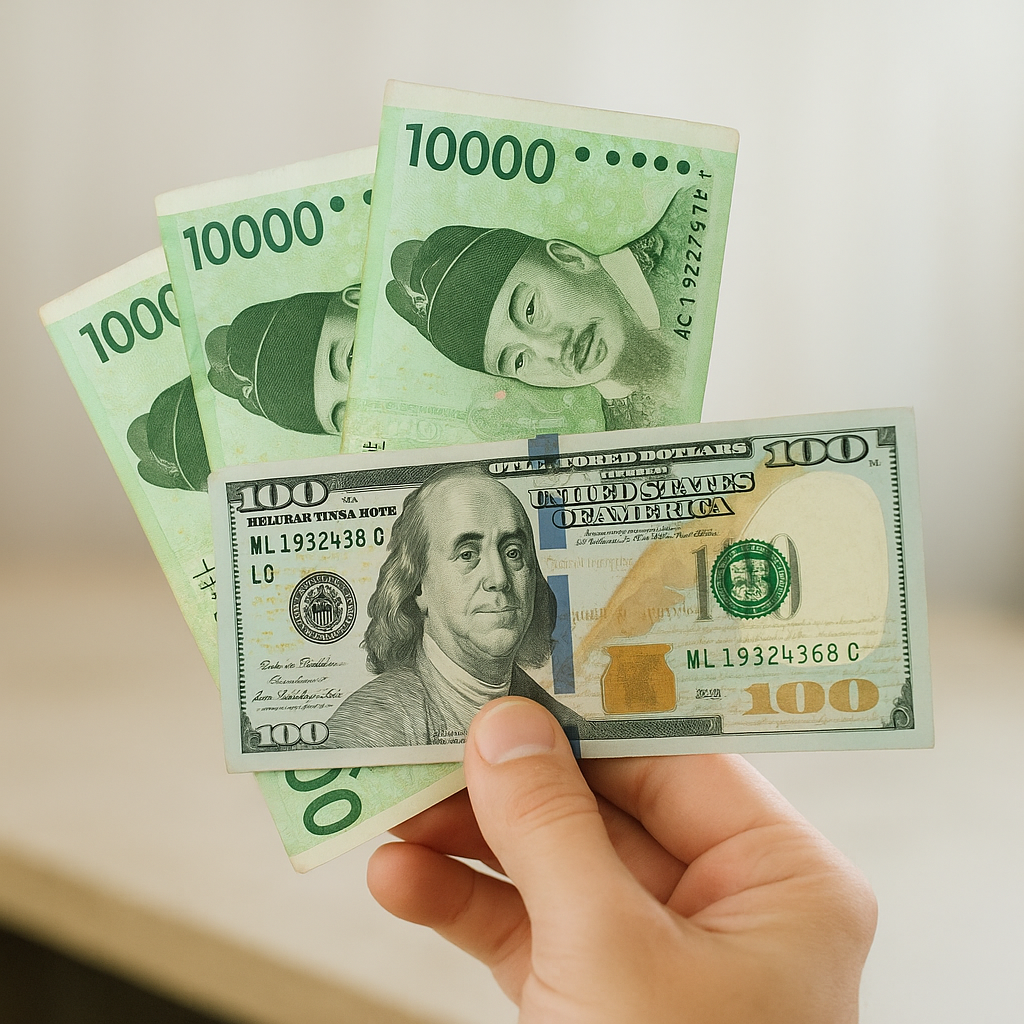
    Traveling to Korea can be an exciting experience, but managing your finances is essential for a smooth trip. One of the key aspects of travel planning is figuring out the best way to exchange your money. This article will cover the most efficient options for exchanging currency in Korea, highlighting what you should know before you go.

    Popular Methods for Money Exchange

    Currency Exchange at Airports

    Exchanging money at airports is convenient, especially when you first arrive in Korea. Most international airports, including Incheon International Airport, have currency exchange counters open 24/7. While this option saves time, it’s worth noting that the exchange rates may not be as favorable as those offered by banks or local exchange offices.

    Local Banks and Authorized Exchange Offices

    Using local banks or authorized currency exchange offices in the city usually provides better rates. Many are located in popular tourist areas, making them accessible when you need cash. It’s advisable to compare the exchange rates before making a transaction. Look for signs advertising competitive rates or consult with locals to find popular exchange spots.

    Using ATMs for Withdrawals

    ATMs can be a good alternative for obtaining Korean won. They often offer rates similar to local banks, and cards with international access can be used here. Ensure your card does not charge excessive foreign transaction fees. It’s useful to prepare a small amount of cash before your trip, as some ATMs may have limited withdrawal amounts.

    Smart Tips for First-Time Travelers

    Have Some Cash on Hand

    While card payments are widely accepted, having some cash in small denominations can be beneficial for markets or smaller establishments. In many regions, cash transactions remain popular, especially at food stalls or street vendors. A small amount of won, around ₩20,000 (approximately $15), can be convenient for everyday purchases.

    Choose Your Payment Currency Wisely

    When paying via card, you might be presented with the option to pay in your home currency instead of Korean won. Opting to pay in won usually results in lower conversion fees. Understanding this can help you keep more of your money intact while traveling.

    Things to Watch Out For

    Exchange Rate Fluctuations

    Be aware that exchange rates can fluctuate significantly. Keeping an eye on the rates leading up to your trip can help you make informed decisions about when to exchange your money. Consider checking online or using currency converter apps for up-to-date information.

    Common Mistakes to Avoid

    Many travelers overlook the importance of reviewing transaction fees. Some exchange services may charge hidden fees or offer less favorable rates. Reading the fine print before finalizing any transaction is essential for avoiding unnecessary costs.

    Final Thoughts on Money Exchange

    When planning how to exchange money for Korea, consider the following:

    1. Compare exchange rates between different services, including airports, banks, and local exchanges.
    2. Carry a small amount of cash for convenience, especially in areas where card payments are not accepted.
    3. Be conscious of fluctuating exchange rates and transaction fees to ensure you maximize your spending power.

    By following these guidelines, you’ll be well-prepared to manage your money during your visit to Korea. Enjoy your trip!

    #KoreaTravel #SeoulTravel #KBeauty #KoreanFood #SeoulFoodGuide #KoreaTravelTips #OliveYoungHaul #SeoulCafes #MoneyExchange #TravelKorea

  • Delicious Korean Treats for Sweet Snacking

    Delicious Korean Treats for Sweet Snacking

    Exploring Sweet Korean Snacks

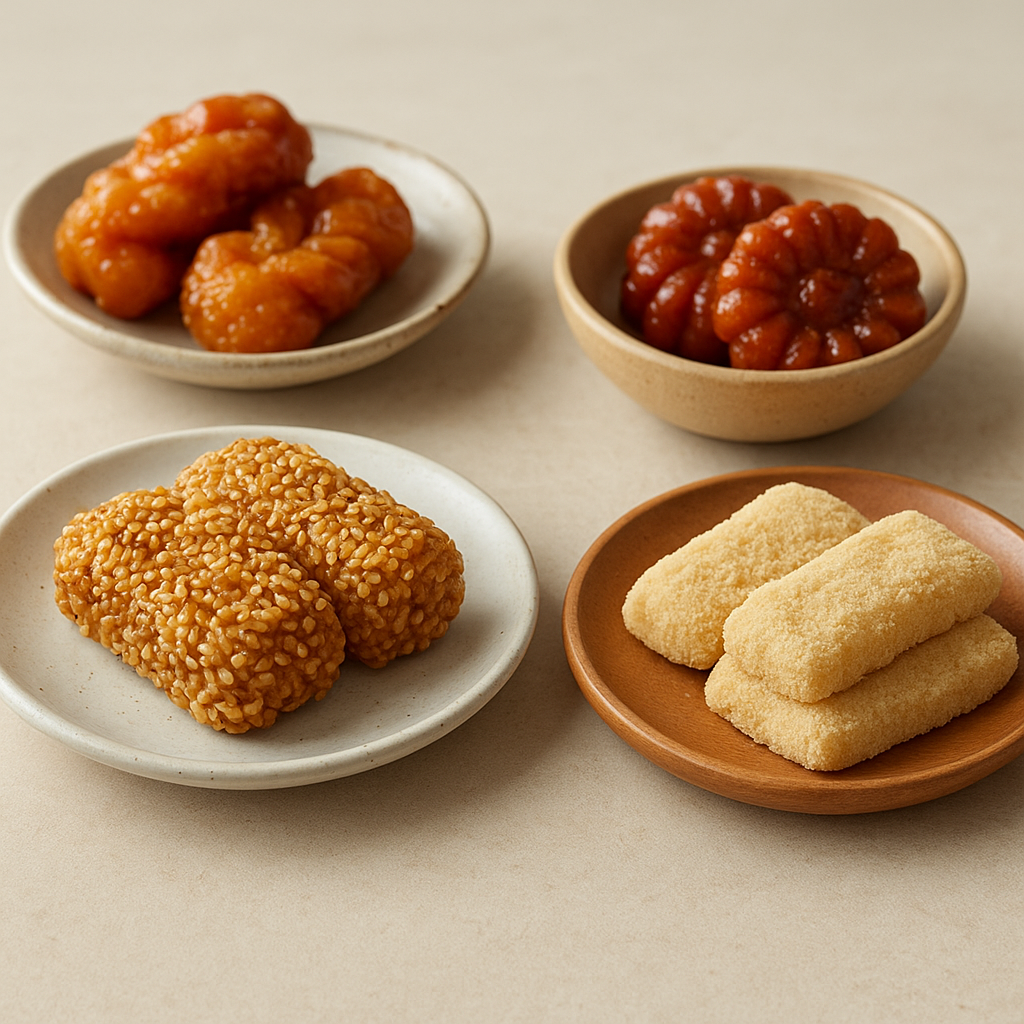
    Korean snacks offer a delicious blend of traditional and modern flavors that delight many. From chewy rice cakes to crispy biscuits, there’s a sweet treat for everyone’s palate. This guide covers a selection of must-try snacks, where to find them, and what to expect when indulging in these delightful bites.

    Traditional Treats: The Classics

    Rice Cakes (떡)

    Rice cakes, known as tteok (떡), are an integral part of Korean cuisine. These snacks come in various types, including sweet versions filled with red bean paste or fresh fruit. Some popular varieties include **baekseolgi** (white rice cake) and **songpyeon** (half-moon rice cake). Many visitors enjoy participating in tteok-making classes, which provide hands-on experiences in crafting these delicacies.

    Sweet Steamed Breads

    Another traditional option is **gwabong** (관리방), a type of steamed sweet bread that often contains ingredients like red bean or sweetened chestnut. This fluffy, soft treat is best enjoyed warm, making it a comforting option on chilly days.

    Modern Favorites: Biscuits and Candies

    Choco Pie (초코파이)

    Choco Pie by Orion is a snack many people associate with Korea. It consists of two layers of cake filled with a marshmallow layer, all coated in chocolate. This treat is popular for its soft texture and sweet taste, making it great for a quick energy boost.

    Honey Butter Chips (허니버터칩)

    These chips have taken the snack world by storm with their unique flavor. Combining sweetness with a hint of saltiness, they are perfect for those who enjoy a crunchy snack with a twist. Many visitors recommend trying them alongside a cup of Korean tea.

    Where to Buy: Shopping for Snacks

    Convenience Stores

    Korea’s convenience stores, such as GS25 and CU, are treasure troves for snacks. You can find a variety of sweet treats, from traditional rice cakes to modern chips. These stores are widely accessible, making them perfect for on-the-go snacking.

    Markets and Specialty Stores

    For a wider range of traditional snacks, visiting local markets like Gwangjang Market (광장시장) is a great choice. Here, vendors typically offer freshly made tteok and other goodies. Specialty stores focused on sweets can also be found in popular areas like Myeongdong and Insadong.

    Tips for First-Time Snackers

    Know Your Options

    With so many sweet snacks available, it’s helpful to sample a variety. Try getting a mix of items rather than sticking to one type. Street food stalls often have less expensive options, allowing you to explore various tastes without breaking the bank.

    Watch for Spice Levels

    While many Korean snacks are sweet, some may have a hint of spice, especially if they contain additional flavorings. If you’re unsure about your spice tolerance, ask locals or read labels to ensure the snack suits your preference.

    Potential Downsides to Consider

    Not all snacks will appeal to everyone. Some visitors might find traditional rice cakes a bit too chewy or sweet for their taste. Additionally, modern snacks like Honey Butter Chips might be overly sweet for those who prefer more savory flavors. It’s essential to sample a bit before committing to larger purchases to find what you genuinely enjoy.

    How to Choose Your Sweet Treats

    – **Diversity**: Opt for a range of flavors and textures. Mixing traditional and modern snacks can provide a fuller experience of Korea’s sweet offerings.

    – **Location matters**: Try snacks from various locations to discover regional specialties.

    – **Ask locals**: Engaging with vendors or locals can help you find hidden gems beyond the popular options.

    Exploring Korean sweet snacks can be an enjoyable part of your culinary adventure in Korea. With a mix of traditional pastries and modern treats to choose from, there are endless flavors waiting to be discovered!

    #KoreaTravel #KoreanFood #SweetKoreanSnacks #SeoulFoodGuide #SeoulCafes #KBeauty #SeoulTravel #KoreaTravelTips #OliveYoungHaul

  • Niacinamide Benefits and Popularity in Korean Skincare

    Niacinamide Benefits and Popularity in Korean Skincare

    Understanding Niacinamide and Its Role in Korean Skincare

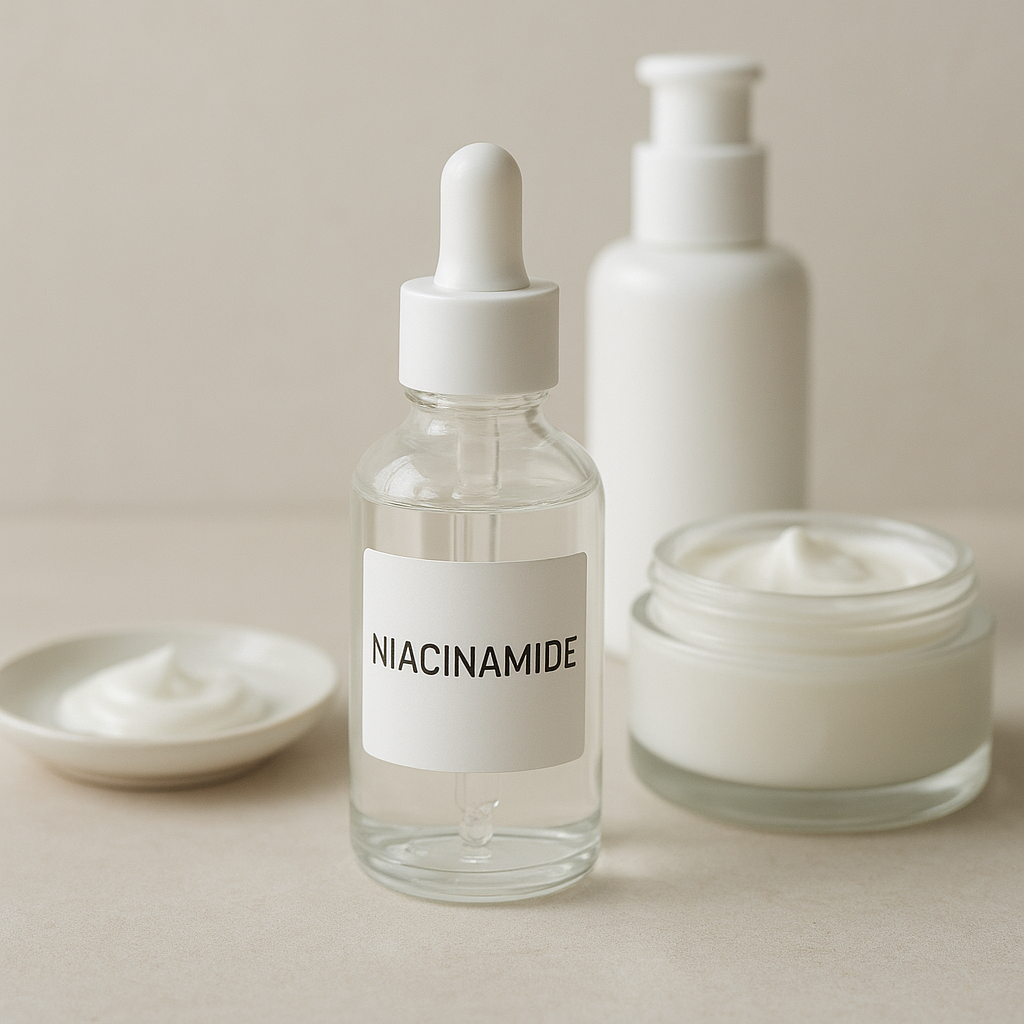
    Niacinamide, also known as vitamin B3, is gaining traction within the Korean skincare scene for its versatile benefits. It’s a key ingredient in many formulations, frequently praised for its ability to improve skin texture, brighten complexions, and enhance overall skin health. As the Korean beauty market expands globally, the popularity of niacinamide shows how effective and sought-after this ingredient has become.

    In Korean skincare, niacinamide is often combined with other powerhouse ingredients, such as hyaluronic acid, panthenol, and ceramides. These combinations help hydrate, soothe, and strengthen the skin barrier. Many brands incorporate this ingredient into serums, moisturizers, and face masks, making it easily accessible for a variety of skin types.

    Why Is Niacinamide Popular?

    The effectiveness of niacinamide in addressing multiple skin concerns contributes to its popularity. It helps regulate oil production, reduces the appearance of pores, and can even improve skin texture. The ingredient is well-known for its ability to brighten dull skin, making it particularly appealing to those struggling with uneven skin tone.

    For instance, products like the Dr. Rejuol Retino Melano Serum leverage the combination of niacinamide and retinol to brighten the skin and potentially diminish signs of aging. Many users report visible improvements in their skin’s luminosity after incorporating niacinamide-based products into their routines.

    Where to Find Niacinamide in Korean Skincare Products

    Finding niacinamide-rich products in Korea is relatively straightforward. Major beauty retailers like Olive Young and Aritaum offer a vast selection of skincare lines that include this ingredient. Most products prominently display niacinamide on their labels, making it easy for shoppers to identify formulations suited to their needs.

    In addition to brick-and-mortar stores, online shopping platforms have made it increasingly simple for international customers to purchase Korean skincare products that contain niacinamide. Websites dedicated to K-beauty often feature user reviews, allowing new users to gauge the effectiveness of various products before making a decision.

    Popular Niacinamide Products to Consider

    When exploring which niacinamide products to try, consider options from well-regarded brands in the Korean market. Many visitors find success with formulations like:

    – **The Ordinary Niacinamide 10% + Zinc 1%**: This serum is known for its high concentration of niacinamide and is popular for balancing oily skin.
    – **COSRX Advanced Snail 92 All in One Cream** (with niacinamide): This cream combines niacinamide with snail mucin for hydrating and repairing effects.
    – **Innisfree Brightening Pore Serum**: A targeted treatment that helps reduce the appearance of enlarged pores while providing hydration.

    These products demonstrate how brands leverage niacinamide to cater to various skin concerns, whether through hydration, oil control, or brightening effects.

    How to Incorporate Niacinamide into Your Routine

    Introducing niacinamide into your skincare routine can be easy and effective if done thoughtfully. Begin by patch-testing any new product, especially if you have sensitive skin. It’s crucial to monitor how your skin reacts to the ingredient, as overuse can lead to irritation.

    The typical recommendation is to apply niacinamide in the morning or evening after cleansing and toning but before heavier creams or oils. Layering it beneath your moisturizer or sunscreen can maximize its benefits. Many users find that a small amount of niacinamide serum works wonders, so a little goes a long way.

    First-Time User Tips

    1. **Start Slow**: Begin by using a niacinamide product a few times a week, gradually increasing frequency as your skin adjusts.
    2. **Follow Instructions**: Always read the product label and follow usage instructions to ensure optimal results.
    3. **Pair Wisely**: Combining niacinamide with other active ingredients can amplify benefits. However, avoid mixing it with products that contain high concentrations of active substances like retinol until your skin is used to niacinamide.

    Common Misconceptions and Downsides

    While niacinamide is widely trusted, some misconceptions may lead to improper use. It’s essential to remember that concentrations matter. Using excessively high concentrations without a proper introduction may irritate the skin, especially for sensitive types. Following the manufacturer’s directions regarding application frequency and concentration is crucial.

    Additionally, while niacinamide addresses many skin issues, it’s not a miracle cure. Some users might not experience immediate results, which can create unrealistic expectations. Consistency is vital, but results often take time. Most recommendations advocate for using niacinamide regularly for optimal outcomes.

    Potential Drawbacks to Consider

    – **Sensitivity**: Although rare, some individuals may experience a reaction. Always patch-test.
    – **Cost-Effectiveness**: With numerous brands and products available, price points can vary widely. Investing in a quality product is essential, but budget options may exist.
    – **Compatibility**: Combining niacinamide with certain actives may diminish its effectiveness. Educate yourself on compatible ingredients for the best results.

    Final Thoughts

    Incorporating niacinamide into your Korean skincare routine can enhance your skin’s overall appearance and health. Consider these key takeaways for optimal results:

    1. **Choose the Right Products**: Look for brands that have established reputations.
    2. **Be Consistent**: Regular application can yield better results.
    3. **Monitor Your Skin’s Reaction**: Always be mindful of how your skin responds.

    With careful selection and consistent use, niacinamide can play a valuable role in achieving your skincare goals.

    #KoreaTravel #SeoulTravel #KBeauty #KoreanFood #SeoulFoodGuide #KoreaTravelTips #OliveYoungHaul #SeoulCafes #NiacinamideSkincare #KoreanSkincareRoutine #NiacinamideBenefits #KbeautyProducts

  • Mastering the Microwave A Guide to Korean Convenience Store Cooking

    Mastering the Microwave A Guide to Korean Convenience Store Cooking

    Understanding Korean Convenience Store Microwaves

    Many travelers find themselves in a convenient store in South Korea, drawn in by an array of tasty snacks and quick meal options. With the prevalence of microwaves in these stores, using them can enhance your experience significantly. In this guide, you will learn how to easily use these microwaves, ensuring you enjoy a hot meal or snack during your travels.

    How to Use the Microwave

    Finding the Microwave

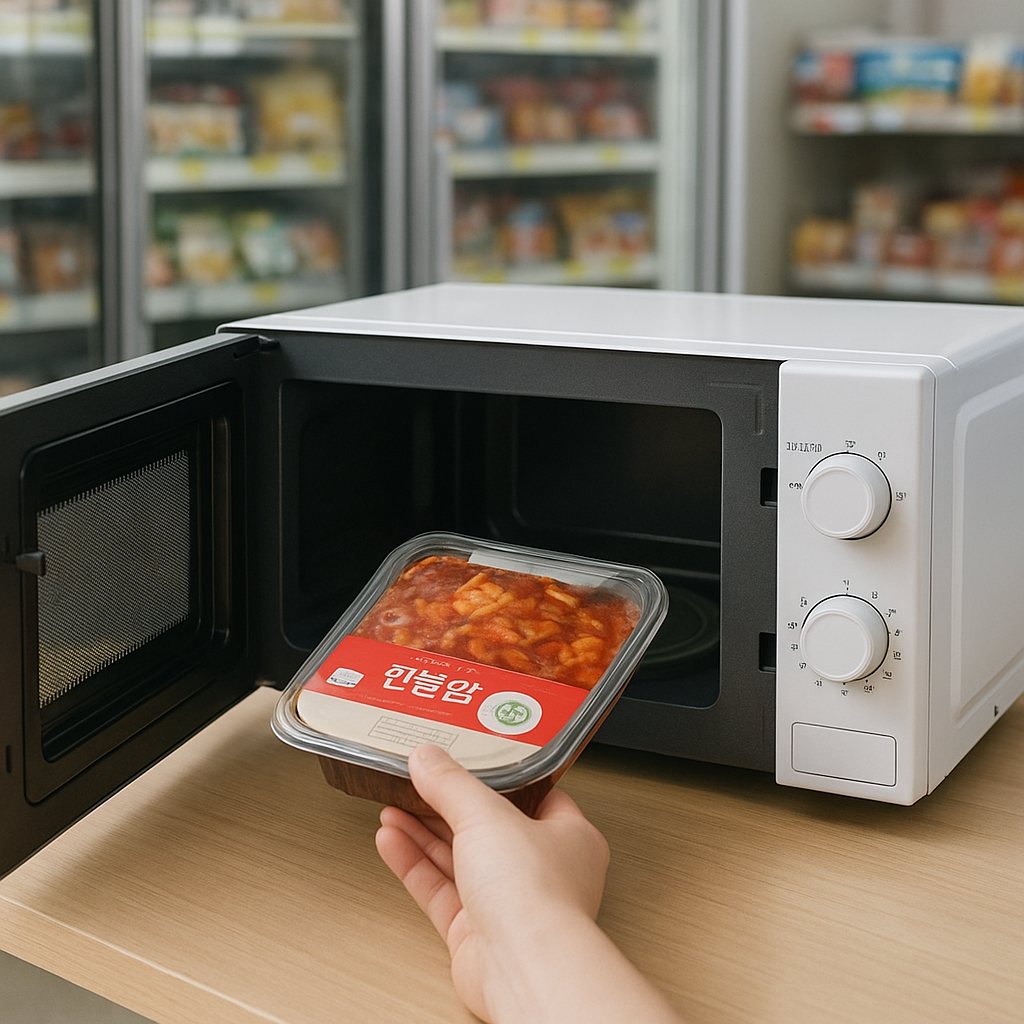
    Most Korean convenience stores, such as CU, GS25, and 7-Eleven, have a microwave located in a self-service area, often displayed prominently or in a dedicated heating section. It’s usually near the hot water dispenser, making it easy to prepare a variety of foods.

    What to Heat

    You can heat various items, including pre-packaged meals, rice balls (삼각김밥), and instant ramen cups. Always ensure that the packaging is microwave-safe to avoid potential hazards. For instance, metal containers or aluminum foil should not be placed in the microwave.

    Operating the Microwave

    Using the microwave is straightforward. Here’s a simple step-by-step guide:

    1. **Open the Door**: Pull the microwave door open gently.
    2. **Place Your Item Inside**: Set your food item in the center of the microwave turntable.
    3. **Close the Door**: Ensure it clicks securely.
    4. **Select Time**: Choose the time based on the item you are heating. Most packaged food items have suggested heating times on their labels, typically ranging from 1 to 3 minutes.
    5. **Press Start**: Hit the start button and wait for your food to heat.

    Safety Tips

    When using the microwave, there are a few safety aspects to keep in mind. First, avoid heating items that contain metal. Additionally, be cautious when you open the microwave door, as your food may be very hot. Wearing a pair of kitchen gloves can help prevent burns.

    Heating Instant Ramen and Soups

    A Quick Guide

    Korean convenience stores offer a variety of instant ramen noodles and soups that are perfect for a quick meal. Here’s how to prepare them:

    1. **Preparation**: Open the instant ramen package but do not remove the noodles. Pour hot water from the dispenser into the cup until it reaches the recommended fill line marked on the cup.
    2. **Cover**: Use the lid or a piece of plastic wrap to cover your cup, allowing the noodles to soften.
    3. **Wait**: Allow the noodles to sit for about 3 to 5 minutes, then remove the cover carefully.
    4. **Optional Heating**: If you prefer your ramen hot, you can place it in the microwave for 30 to 60 seconds after it has soaked.

    Common Mistakes

    One frequent mistake is not adding enough water, which can lead to overcooked or burnt noodles. Always check the fill line and adjust accordingly. Also, ensure that all packages are suitable for microwave use.

    Enjoying Triangle Rice Balls

    Steps to a Delicious Snack

    Triangle rice balls (삼각김밥), a beloved convenience store snack, are easy to prepare:

    1. **Unwrap**: Take the rice ball out of its packaging. Pay attention to packaging instructions for microwave heating.
    2. **Microwave**: Place the rice ball in the microwave for about 1 minute to warm it up.
    3. **Cool Down**: After microwaving, let it sit for a few seconds before unwrapping to avoid burns.

    What to Look Out For

    Always follow the packaging instructions meticulously. Some rice balls are best served cold or at room temperature, while others may be microwavable. Be sure to check the label.

    Understanding Local Etiquette

    When using the microwave, it’s essential to be mindful of others. Clean up after yourself by disposing of any wrappers or leftover food. In South Korea, maintaining a tidy space is important in public areas, including convenience stores.

    Downsides and Considerations

    While convenience store microwaves are user-friendly, there are a few downsides:

    1. **Limited Options**: Not all items are microwave-friendly. Check for proper packaging and suitability before attempting to heat anything.
    2. **Time Constraints**: If the store is crowded or busy, you may not have the time to heat your food, especially during peak hours.
    3. **Hot Food Caution**: After microwaving, some items can become extremely hot, posing a risk of burns if you’re not careful.

    Final Thoughts on Convenience Store Cooking

    Using the microwave in Korean convenience stores can enhance your snacking or meal experience while traveling. Here are a few quick tips to make the most of it:

    1. Always ensure your food is in microwave-safe packaging.
    2. Follow heating instructions closely to avoid overcooking.
    3. Respect the shared space by cleaning up after using the microwave.

    Enjoy the delightful array of options available at Korean convenience stores and make use of the convenient microwaves to elevate your travel snacks!

    #KoreaTravel #SeoulTravel #KBeauty #KoreanFood #SeoulFoodGuide #KoreaTravelTips #OliveYoungHaul #SeoulCafes #ConvenienceStoreCooking #MicrowaveTips #KoreanConvenience #ConvenienceStoreHacks

  • 안녕하세요!

    travelpark 네트워크에 오신 것을 환영합니다. 이것은 첫 글입니다. 바로 편집하거나 삭제한 다음 쓰기 시작하세요!